


how to fix a leaking dishwasher connection – 5 Expert Fixes!

Introduction
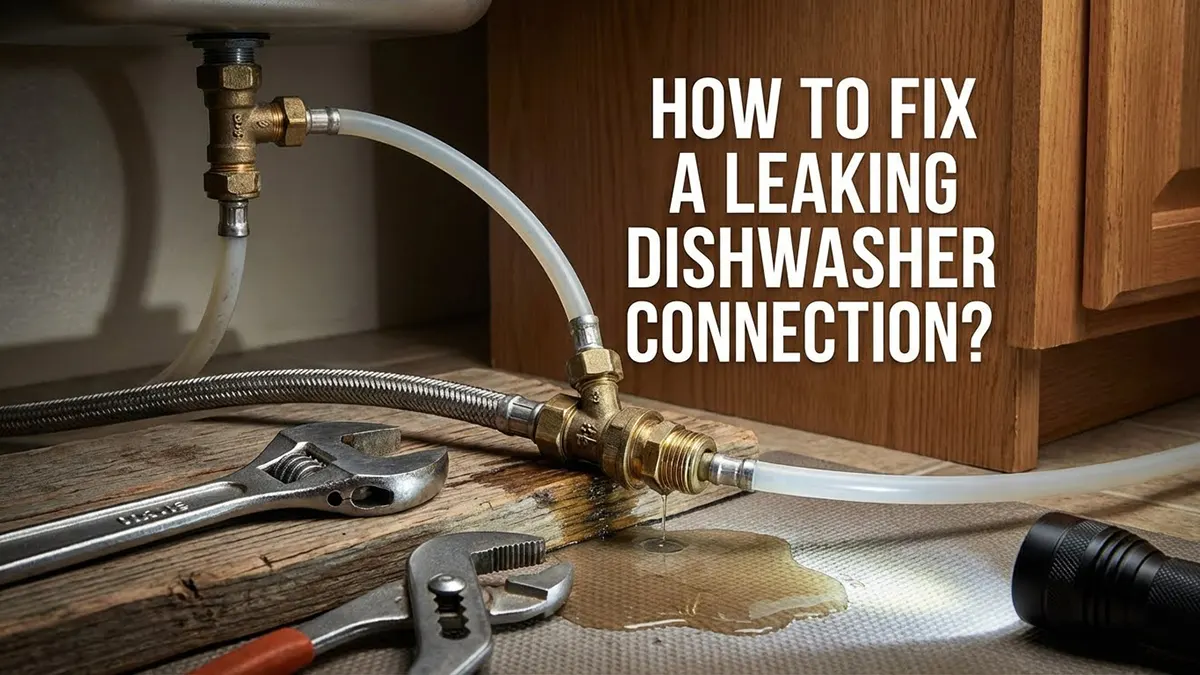
A leaking dishwasher connection is one of the most common household plumbing issues and can quickly turn into a major headache if not fixed promptly. Even a small drip can cause water damage to your kitchen cabinets, flooring, and walls over time. Understanding how to fix a leaking dishwasher connection not only saves you from costly repairs but also ensures your appliance continues running efficiently. Dishwashers rely on several connection points—such as water supply hoses, drain lines, and seals—to function properly, and a minor issue in any of these areas can cause water leakage.
Most homeowners can handle basic leak repairs themselves with the right tools and a bit of knowledge. However, before jumping into any fix, it’s important to identify the exact source of the leak. Whether it’s a loose hose clamp, a cracked water pipe, or a worn-out seal, pinpointing the cause helps you choose the best repair method. In this article, we’ll explore the most common causes of dishwasher leaks, five expert-approved fixes, and essential maintenance tips to prevent future issues. With these insights, you’ll be able to stop the leak, protect your kitchen, and extend the life of your dishwasher.
Common Causes of Leaky Dishwasher Connections
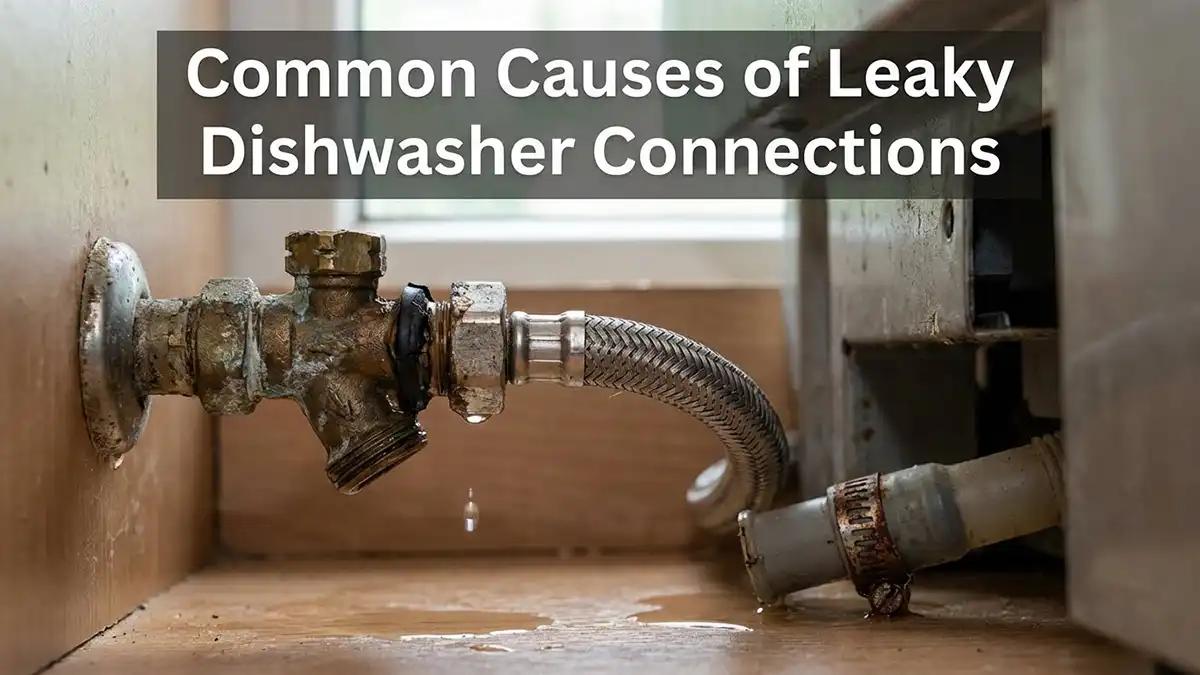
Leaks from a dishwasher connection can come from several points, each with different underlying causes. One of the most common culprits is a loose or damaged water supply line. This hose connects the dishwasher to your home’s plumbing system, and over time, constant water pressure and vibration can cause fittings to loosen or crack. Another frequent cause is a worn or faulty gasket around the door or internal components, which allows water to escape during cycles.
Additionally, a clogged or disconnected drain hose can cause backflow or improper drainage, leading to puddles under the appliance. Mineral buildup from hard water can also cause seals and hoses to deteriorate prematurely, while an improperly installed dishwasher may strain its connections, making them more prone to leaks. For example, if your dishwasher isn’t level, excess water might pool on one side and find its way out through weak seals. Understanding these causes allows you to target the problem efficiently and apply the correct dishwasher leak repair method without wasting time or effort.
Expert Fixes for a Leaking Dishwasher Connection
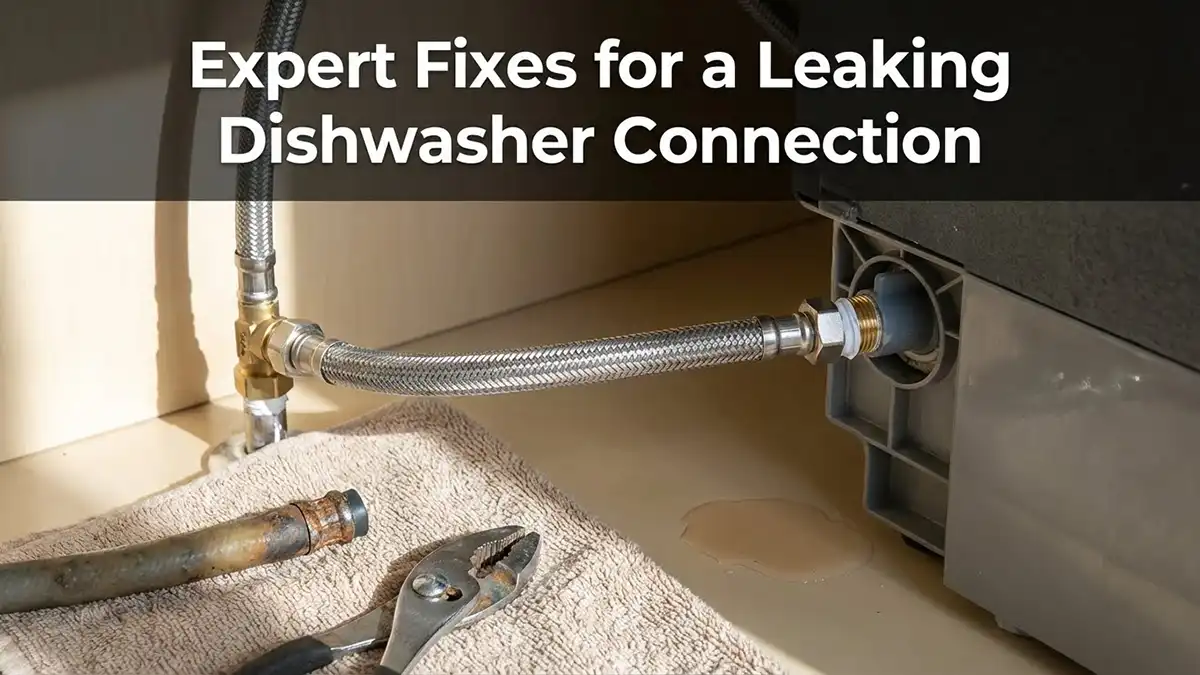
When dealing with a leaking dishwasher connection, a strategic approach ensures lasting results. There are several effective methods to tackle the problem depending on the source of the leak. Professionals typically start with a detailed inspection to locate the affected area—checking hoses, fittings, and internal seals for signs of wear or looseness. Once identified, the appropriate fix can be applied, whether it’s tightening, cleaning, replacing, or resealing components.
The five most reliable fixes include tightening all connections, replacing worn-out seals, repairing or securing the drain hose, cleaning or replacing clogged filters, and checking the water inlet valve for malfunction. These steps address nearly every common cause of a dishwasher leak. Each fix requires specific tools—like a spanner, screwdriver, or pliers—and basic safety measures, such as disconnecting the power and water supply before starting. Applying these expert-approved methods can restore your dishwasher’s performance and prevent further water damage to your kitchen.
Inspect and Tighten Connections
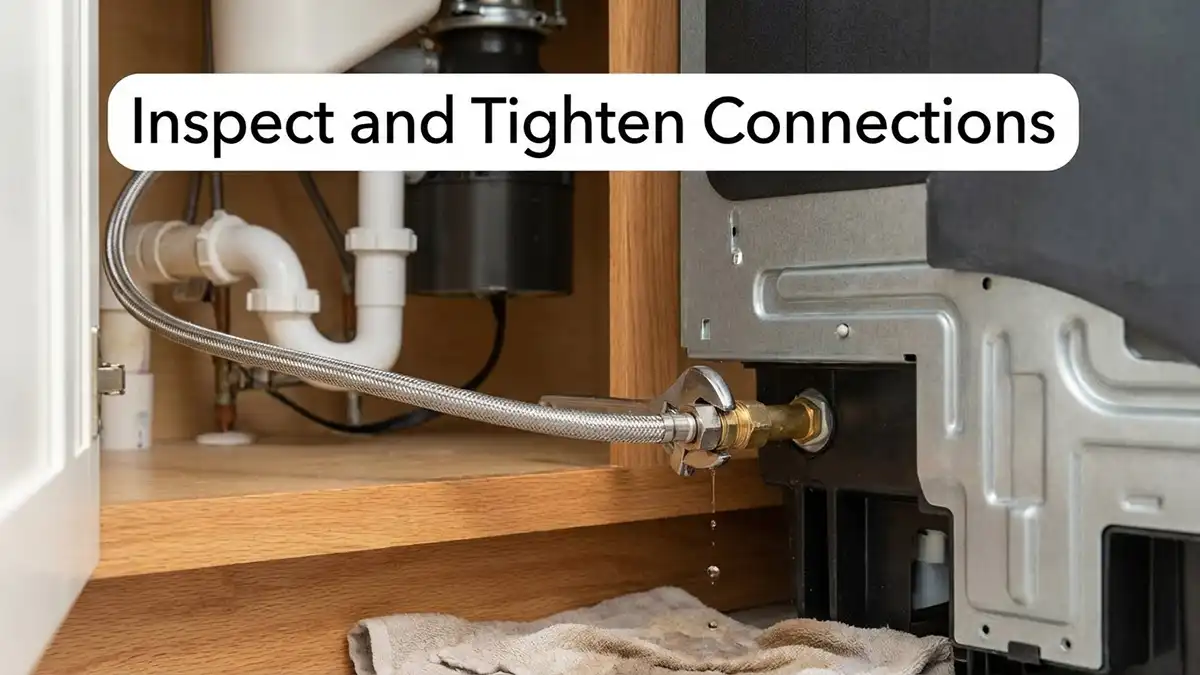
The first step in fixing a leaking dishwasher connection is to inspect and tighten all fittings. Over time, vibrations from the dishwasher can loosen connections on both the water supply line and the drain hose, leading to small but persistent leaks. Begin by unplugging the appliance and turning off the water supply valve. Pull the dishwasher slightly away from the wall to access the back panel where most connections are located.
Check the inlet hose, drain hose, and clamps for any visible moisture or signs of corrosion. If you find a loose fitting, use an adjustable spanner or pliers to tighten it gently—avoid over-tightening, as this can damage the threads or crush plastic connectors. Also inspect the door latch and gasket area, as loose screws or misalignment can cause minor leaks near the door edges. After tightening everything, run a short wash cycle and observe if the leak has stopped. This simple yet effective step often resolves minor leaks without requiring major repairs.
Replace Worn Out Seals
Worn-out seals and gaskets are another frequent cause of dishwasher leaks. These rubber components are designed to keep water contained during the wash cycle, but constant exposure to heat, detergent, and pressure eventually causes them to crack or lose elasticity. The most common areas where seals fail are around the dishwasher door and the inlet valve connection.
To replace a damaged door seal, open the dishwasher and gently pull the old gasket out from its groove. Clean the surrounding area to remove soap scum and mineral deposits before installing the new seal. Make sure it’s properly aligned and pressed evenly into place to ensure a watertight fit. If the leak originates from the inlet valve or internal seals, replacement may require disassembling the lower access panel. Always use genuine or manufacturer-approved parts to ensure durability and compatibility. Replacing seals is an inexpensive fix that can prevent more serious dishwasher water leaks and improve overall cleaning efficiency.
Check and Repair the Drain Hose
A leaking drain hose is one of the most overlooked yet common sources of dishwasher water leaks. The hose carries wastewater from the appliance to your plumbing system, and any crack, clog, or loose connection can cause leakage during or after a wash cycle. To inspect it, pull the dishwasher slightly forward and trace the hose from the back of the machine to the sink drain or waste disposal unit. Look for visible damage, kinks, or water stains along the line.
If the hose is clogged, detach it carefully and flush it with warm water or compressed air to clear the obstruction. For leaks caused by cracks or punctures, replace the entire hose rather than attempting a patch repair, as temporary fixes rarely hold under pressure. When reattaching the hose, ensure both ends are firmly connected and secured with clamps. It’s also essential to position the hose in a high loop or use an air gap to prevent backflow from the sink. Regularly checking and maintaining the drain hose prevents recurring leaks and keeps your dishwasher running efficiently. If the kitchen waste itself is blocked rather than the hose, see clearing a blocked drain in Finchley.
Clean or Replace the Filter
A clogged dishwasher filter can restrict water flow and cause backups that lead to leaks near the bottom of the appliance. The filter’s job is to trap food particles and debris, preventing them from entering the drain system. Over time, if not cleaned regularly, it can become blocked, forcing water to overflow inside the machine. To clean it, remove the lower rack and locate the filter assembly—usually found beneath the spray arm or near the bottom centre of the tub.
Unscrew or lift out the filter and rinse it under warm running water. Use a soft brush to remove stubborn debris, and inspect for cracks or tears that might require replacement. Once clean, reinsert the filter and ensure it’s securely locked in place. For best performance, clean the filter at least once a month. Neglecting this simple maintenance step can cause internal water buildup and lead to unnecessary dishwasher connection leaks, reducing your appliance’s efficiency over time.
Check the Water Inlet Valve
The water inlet valve is a small but vital component responsible for regulating the amount of water entering your dishwasher. If it becomes damaged or clogged, it can cause leaks either inside or underneath the unit. Symptoms of a faulty valve include overfilling, inconsistent water levels, or visible dripping when the dishwasher is off. To inspect it, disconnect the appliance from power and water, then remove the lower access panel to locate the valve—usually attached to the bottom left or right side.
Check for signs of corrosion, mineral buildup, or cracks in the valve housing. If the valve is leaking, it must be replaced rather than repaired, as damaged components can’t be reliably sealed. Replacement valves are inexpensive and widely available from most appliance stores. Ensure the new valve is installed tightly and the hoses are properly connected to prevent future leaks. Keeping the inlet valve clean and functional not only stops leaks but also ensures optimal water flow for every wash cycle.
Preventive Maintenance Tips
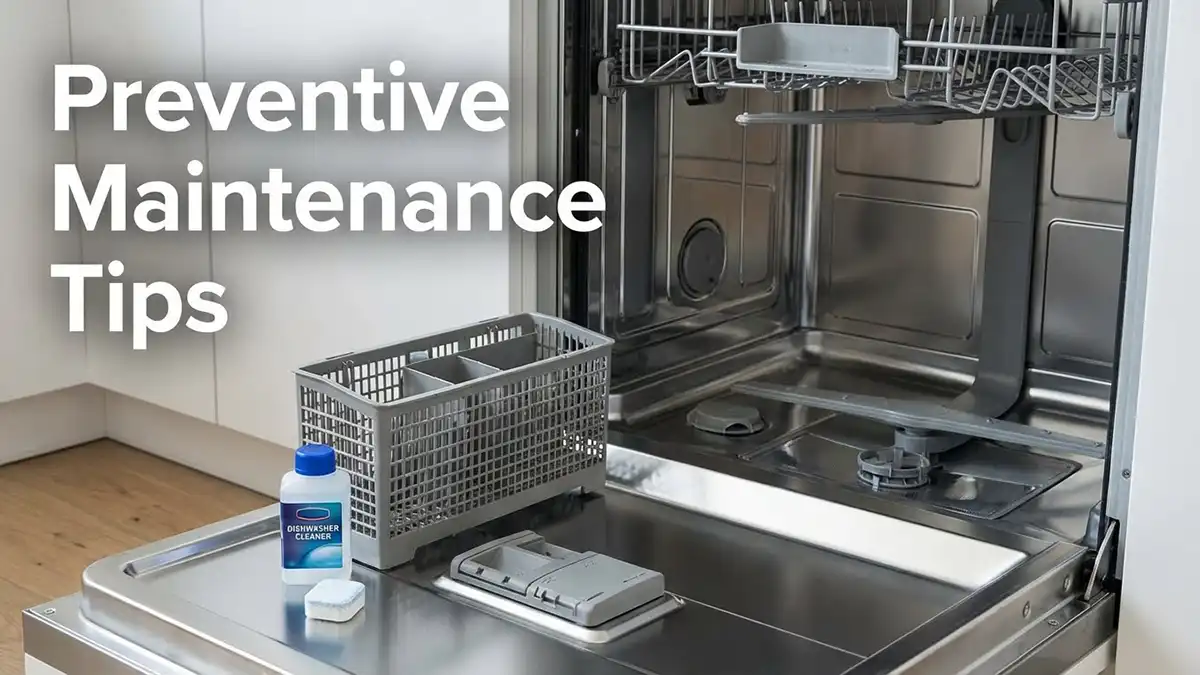
Preventing a leaking dishwasher connection starts with consistent maintenance and good usage habits. Always inspect hoses and fittings every few months for early signs of wear, rust, or mineral deposits. Tighten any loose connections promptly and clean your dishwasher’s filter regularly to avoid water buildup. Using a water softener can also help reduce mineral accumulation that damages seals and valves over time.
Additionally, avoid overloading your dishwasher, as this can strain internal components and cause water to escape from the door. Wipe down door gaskets after each cycle to remove soap residue and prolong their lifespan. Once a year, run an empty cycle with vinegar or a specialised cleaner to flush out hidden grime and mineral buildup. These simple preventive steps not only keep your appliance leak-free but also improve cleaning efficiency and energy savings.
When to Call a Professional
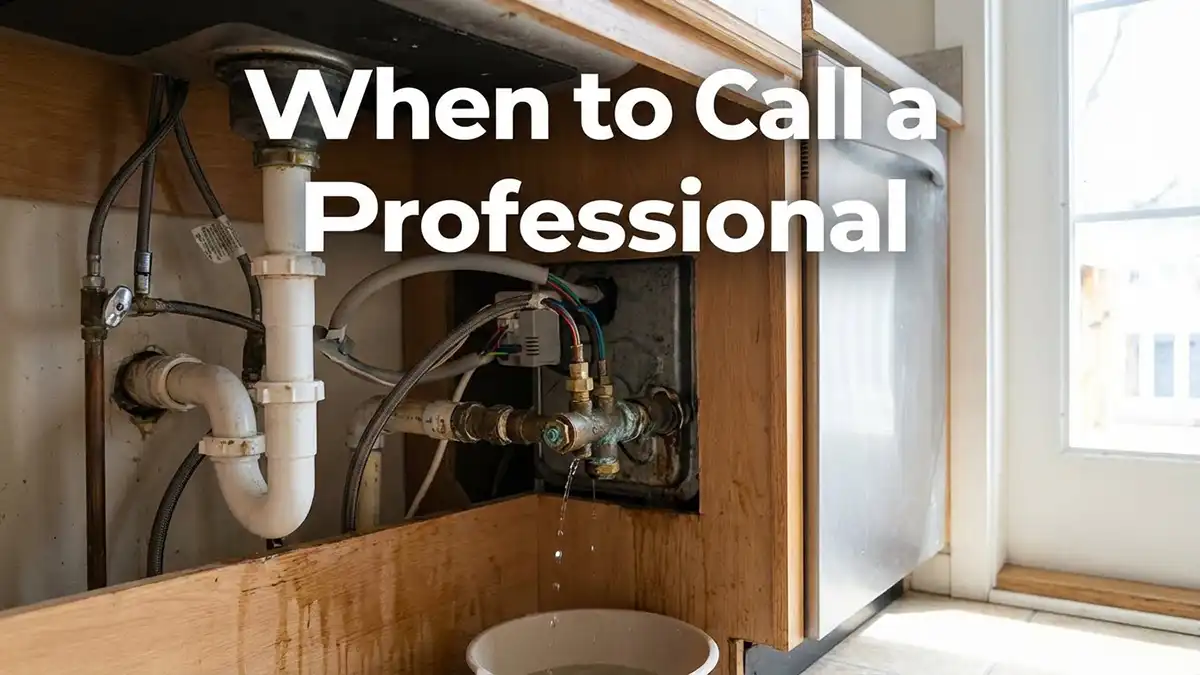
Sometimes, even with the best DIY efforts, a dishwasher leak may persist. If you’ve inspected and tightened all connections but still notice water pooling under or around your appliance, it’s time to call a professional plumber or appliance technician. Persistent leaks may stem from hidden issues such as internal cracks, faulty sensors, or electrical malfunctions that require specialised tools to diagnose, and if the water is showing up somewhere you can’t trace, a plumber who does leak tracing and repair can find the source.
A professional can perform a full inspection, pressure test, and, if necessary, replace parts that are difficult to access. For example, if your dishwasher is leaking from underneath even when not in use, it could indicate a problem with the inlet valve solenoid or circulation pump—components best handled by an expert. Hiring a professional ensures the issue is resolved safely and prevents long-term damage to your flooring and cabinetry. In many cases, early intervention by a technician can extend the lifespan of your dishwasher and save you from costly replacements later on.
Conclusion
Fixing a leaking dishwasher connection doesn’t have to be complicated when you understand where to look and what steps to take. By inspecting connections, replacing worn seals, cleaning filters, and maintaining essential components like the drain hose and water inlet valve, you can eliminate leaks and restore your appliance’s performance. Regular maintenance and timely professional assistance ensure that your dishwasher remains efficient, leak-free, and long-lasting—protecting both your home and your investment for years to come.
What are the most common causes of a leaking dishwasher connection?
Leaks usually come from loose hose clamps, worn-out gaskets, cracked drain hoses, or a poorly sealed water inlet. Over time, vibration and regular use can loosen connections and create small gaps that let water escape.
How can I tell if the leak is coming from the supply line or the drain hose?
If the leak happens during the wash cycle, it’s often the supply line or inlet valve. If it leaks only when the dishwasher drains, the drain hose or its clamp is usually the culprit.
Do I need to shut off the water before fixing a dishwasher connection leak?
Yes—turning off the water supply prevents sudden sprays or flooding when you loosen hoses or clamps. It also makes the repair process much safer and easier to manage.
Why is my dishwasher still leaking after tightening the hose clamps?
If tightening doesn’t help, the hose may be cracked, the gasket may be damaged, or the connection may be misaligned. Replacing worn parts or reseating the hose usually stops the leak completely.
Can I use plumber’s tape on dishwasher connections to stop leaks?
Plumber’s tape can help seal threaded connections on the water supply line, but it won’t fix leaks coming from hoses or clamps. For those, replacing the damaged component is the most reliable solution.
When should I replace a leaking dishwasher hose instead of repairing it?
If you notice brittleness, cracks, or bulges in the hose, replacement is the safest option. A new hose ensures a secure seal and helps prevent future leaks that could damage cabinets or flooring.
