


how to remove rust from water pipes: 7 Fast, Proven Fixes!


Introduction: Understanding Rust in Water Pipes
Rust in water pipes is a common problem that affects both the quality of your water and the efficiency of your plumbing system. Rust forms when metal pipes, particularly those made of iron or steel, come into prolonged contact with oxygen and moisture. Over time, this reaction leads to corrosion—a chemical process that weakens the metal and causes discoloration in your water. You might notice reddish-brown stains in sinks, toilets, or baths, which are clear signs of rust contamination.
Beyond being unsightly, rust buildup can reduce water flow, clog fixtures, and even lead to pipe leaks or bursts. The problem is especially prevalent in older homes that still use galvanised steel piping. Understanding how and why rust forms is the first step toward effective removal and prevention. By learning various rust removal methods for water pipes, homeowners can maintain cleaner water, extend pipe lifespan, and avoid costly plumbing replacements in the future.
Signs of Rust in Your Water Pipes

Detecting rust in your water pipes early can save you from expensive repairs and health concerns. One of the most noticeable signs is a change in water colour. If your tap water appears yellow, orange, or reddish-brown, it’s a clear indicator of rust contamination. Another symptom is a metallic or unpleasant taste when drinking water. Over time, you might also see rusty stains in sinks, toilets, or baths that are difficult to scrub away.
Reduced water pressure is another telltale sign, as rust buildup can narrow the pipe’s interior and restrict flow. You may also notice sediment or particles collecting at the bottom of pots or water heaters, signaling internal corrosion. In severe cases, small leaks may appear around joints or fittings due to weakened metal. These early warning signs of rusty water pipes shouldn’t be ignored, as they indicate underlying corrosion that will worsen without timely intervention.
Why Removing Rust Is Important

Removing rust from water pipes is essential for both health and plumbing efficiency. Rusty pipes can introduce iron oxide into your water supply, which not only affects taste and appearance but also promotes bacterial growth. Continuous exposure to rust particles can stain clothing, dishes, and appliances, and in some cases, irritate skin or cause minor health issues when consumed in large quantities.
From a plumbing perspective, rust weakens pipe structure and accelerates wear, leading to leaks or bursts. Corroded pipes also restrict water flow, increasing water pressure and energy costs. If left untreated, the buildup can cause complete pipe failure, requiring costly replacements. Regular maintenance and timely rust removal prevent these issues, ensuring a clean, safe, and efficient water system for your home. Investing in rust removal now can save you significant expenses and prevent water contamination later.
7 Fast, Proven Fixes to Remove Rust from Water Pipes

There are multiple effective methods for removing rust from water pipes, ranging from natural household remedies to advanced professional techniques. The best approach depends on the severity of the corrosion and the type of piping in your home. For light surface rust, simple cleaning agents like vinegar and baking soda can work wonders. However, for deeper or internal rust, mechanical or chemical treatments may be necessary.
In this guide, we’ll explore seven proven rust removal methods—each tested for effectiveness in different scenarios. From using eco-friendly home solutions to employing specialised tools like sandblasters and electrolysis systems, you’ll learn how to restore your plumbing to optimal condition. Applying these techniques correctly ensures not only rust removal but also long-term prevention against future corrosion.
Fix 1: Vinegar and Baking Soda Method
The vinegar and baking soda method is one of the most natural and cost-effective ways to remove rust from water pipes. Vinegar contains acetic acid, which dissolves rust, while baking soda acts as a mild abrasive to scrub away residue. Start by turning off the water supply and draining the pipes. Pour a mixture of one part vinegar to one part water into the affected section of the pipe or soak the rusted fittings directly. Let it sit for several hours to break down the rust deposits.
Next, use a brush or cloth to scrub the area and flush it thoroughly with clean water. For tougher stains, add baking soda to the mixture for extra cleaning power. This combination is particularly effective for minor rust removal on exposed metal pipes and fittings. It’s also environmentally friendly and safe to use around the home. Regular maintenance using this method can help keep your water pipes free from surface rust and mineral buildup.
Fix 2: Chemical Rust Removers
For more advanced corrosion, chemical rust removers offer a powerful solution. These products typically contain oxalic or phosphoric acid, which react with rust and dissolve it quickly. Before applying, make sure to wear protective gloves and eyewear, as these chemicals can be harsh on the skin. Apply the rust remover with a brush or cloth to the affected area and let it sit according to the product’s instructions—usually between 15 and 30 minutes.
Once the chemical has done its job, rinse the area thoroughly with water to remove any residue. Chemical rust removers are highly effective for both residential and industrial plumbing systems, especially when rust has penetrated deeper into the metal surface. However, it’s important to use them sparingly and ensure proper ventilation during application. For interior pipe rust, professional-grade chemical flushing systems may be used to clean the inside of your plumbing safely.
Fix 3: Sandblasting for Severe Cases
When rust has severely corroded your pipes, sandblasting can be one of the most effective solutions. This process involves using a high-pressure air compressor to blast fine abrasive materials—like sand, glass beads, or aluminium oxide—against the rusted surface. The friction removes layers of corrosion, restoring the metal’s clean surface without damaging the pipe structure.
Sandblasting is commonly used for industrial or outdoor plumbing systems, but it can also be applied to residential setups when surface rust becomes extensive. Because it requires specialised equipment and safety precautions, this method is best handled by professionals. It’s particularly useful for cleaning exposed pipes or large sections where rust has compromised the coating or paint. Once the rust is removed, applying a protective sealant or anti-rust primer can help prevent future corrosion and extend the pipe’s lifespan.
Fix 4: Using a Wire Brush
For smaller or more accessible areas, using a wire brush is a simple yet effective way to remove surface rust. This manual method works well on exposed plumbing pipes, fittings, and joints. Start by turning off the water supply and drying the area completely. Use a stiff wire brush to scrub the rusted spots vigorously until the metal surface appears clean. You can enhance the process by applying a rust-dissolving agent or a vinegar solution to loosen stubborn buildup.
After brushing, wipe the pipe with a damp cloth to remove any debris. For additional protection, apply a thin coat of rust-inhibiting paint or primer to the cleaned area. The wire brush method is especially useful for homeowners looking to perform minor maintenance without specialised tools. Regularly brushing exposed metal pipes helps prevent rust formation and keeps your plumbing system in top shape for years.
Fix 5: Electrolysis for Rust Removal
Electrolysis is an advanced yet highly effective technique for removing rust from metal surfaces, including water pipes and fittings. It works by using electrical current to reverse the rusting process. In this method, the rusted pipe or component is submerged in an electrolyte solution—typically water mixed with washing soda—and connected to a low-voltage DC power source. The rust particles detach from the pipe and migrate toward a sacrificial metal (anode), leaving the surface clean and restored.
This process is particularly beneficial for delicate or antique plumbing parts that would be damaged by harsh chemicals or abrasive methods. It also penetrates deeper corrosion that can’t be reached by scrubbing. While it’s not typically a DIY project due to electrical safety requirements, professional plumbers often use electrolysis as part of comprehensive pipe restoration services. The result is a rust-free surface without the loss of pipe material or structure integrity.
Fix 6: Installing a Water Softener
Installing a water softener is a long-term solution to prevent and reduce rust buildup in water pipes. Hard water, which contains high levels of calcium, magnesium, and iron, accelerates corrosion by reacting with metal surfaces. A water softener works by replacing these minerals with sodium or potassium ions through an ion-exchange process, resulting in cleaner and less corrosive water.
Over time, softened water helps prevent internal pipe rust, reduces scale buildup, and extends the lifespan of both pipes and appliances. It also improves water clarity and taste by minimising iron content. For households experiencing frequent rust-related issues, investing in a water softener is one of the most effective preventive measures. Installing it near your home’s main water pipe ensures that all water entering the plumbing system is treated and corrosion-free.
Fix 7: Pipe Replacement
When rust damage is too extensive, pipe replacement becomes the only viable solution. Severely corroded pipes cannot be fully restored and may continue leaking or contaminating your water. Replacing them with PVC, PEX, or copper pipes ensures long-term safety and reliability. Start by consulting a professional plumber who can inspect your system and determine which sections need replacement.
Modern materials like PEX and PVC are resistant to corrosion, making them ideal alternatives to older galvanised steel or iron pipes. Although the upfront cost of replacement may seem high, it eliminates recurring rust problems and improves water quality. Additionally, upgrading your plumbing can enhance property value and prevent future maintenance expenses. For homeowners with old plumbing systems, complete pipe replacement is often the best investment in maintaining a healthy and efficient water supply.
Preventing Rust in Water Pipes

Preventing rust in water pipes is easier than dealing with corrosion after it develops. Start by scheduling regular plumbing inspections to detect early signs of wear or discoloration. Installing a whole-house water filtration system can remove minerals and sediments that contribute to rust formation. Maintaining stable water pressure also prevents strain on pipes that could cause micro-leaks and accelerate corrosion.
You can also apply anti-corrosion coatings on exposed metal pipes and keep moisture-prone areas well-ventilated to minimise humidity. For older homes, replacing sections of galvanised steel with rust-resistant materials like PEX or copper can prevent future issues. Regular maintenance and monitoring water quality go a long way toward keeping your plumbing system rust-free and functional for decades.
When to Call a Professional Plumbe
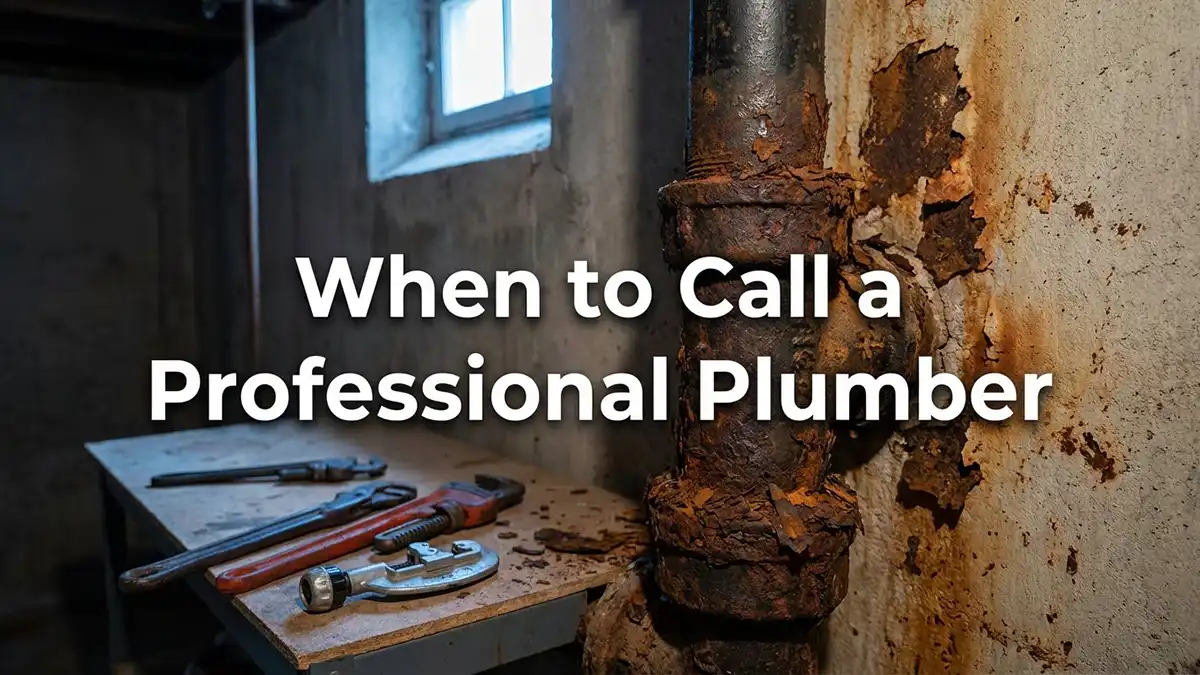
While some rust removal methods are manageable for homeowners, certain cases require a professional plumber. If you notice persistent rust-coloured water, visible pipe corrosion, or reduced water flow despite cleaning, the problem may be deeper within the plumbing system. Professionals can perform pipe inspections using cameras or pressure testing to locate internal corrosion accurately. If you are in Cricklewood and the water still runs rusty after cleaning, see a plumber in Cricklewood, NW2.
In severe cases, rust may indicate systemic issues requiring pipe relining or replacement. Plumbers can also use specialised tools like hydro jetting or electrochemical treatments that aren’t accessible for DIY use. Calling a qualified plumber ensures a safe, thorough, and lasting solution, preventing further damage and maintaining your home’s water quality and plumbing integrity.
Conclusion
Rust in water pipes is a common issue that can affect both water quality and plumbing performance. By identifying early signs, using proven rust removal techniques, and applying preventive maintenance, homeowners can restore clean, efficient water flow. Whether through simple home remedies like vinegar or professional-grade methods like electrolysis, addressing rust promptly ensures a longer lifespan for your plumbing system and peace of mind knowing your water is safe and clear.
What causes rust to build up inside water pipes?
Rust usually forms when metal pipes are exposed to oxygen and moisture over long periods. Older galvanised steel pipes are especially prone to corrosion, which leads to rusty water and reduced water pressure.
How can I tell if the rust is inside my pipes or coming from the water supply?
If only one tap produces rusty water, the problem is likely inside your home’s plumbing. If all taps show discoloration, the rust may be coming from the main water pipe or the municipal supply.
Is it safe to drink water that contains rust?
Small amounts of rust aren’t typically harmful, but they can affect taste, colour, and overall water quality. If the water appears dark brown or smells metallic, it’s better to avoid drinking it until the issue is fixed.
Can vinegar or baking soda really remove rust from pipes?
Vinegar can help dissolve light rust and mineral buildup, especially when flushed through the system. However, for heavy corrosion, you’ll likely need professional cleaning or partial pipe replacement.
How long does it take to remove rust from water pipes?
Minor rust issues can be improved within a few hours using flushing methods or chemical cleaners. Severe rust buildup may require professional descaling or replacing sections of pipe, which can take a day or more.
When should I replace rusty pipes instead of trying to clean them?
If you notice constant clogs, low water pressure, or repeated rust problems, cleaning may only provide temporary relief. Pipes that are heavily corroded, leaking, or more than 40–50 years old should usually be replaced to prevent future damage.
