


House Refurbishment in Mill Hill: Family Houses, Flats and Conservation-Area Homes
House refurbishment in Mill Hill is mostly work on family houses. In the 2021 Census, 4,427 of the 6,921 households in Mill Hill ward lived in a house — 2,367 semi-detached, 1,303 detached and 757 terraced — and 2,191 households had four or more bedrooms. Fix Your House plans and carries out the whole job: stripping out, plastering, joinery, kitchens, bathrooms, flooring and decorating, run as one programme with one fixed written price.
Thinking about refurbishing a house or flat in Mill Hill? Call Fix Your House on 07777 759333 or send us photos by WhatsApp, between 8am and 8pm. Free call-out and assessment — you only pay for the work.
On this page
- Where does a Mill Hill house refurbishment start?
- What changes the job in a Mill Hill house or flat?
- When does a refurbishment become Building Regulations work?
- Mill Hill conservation area and Article 4: what needs permission?
- Refurbishing a Mill Hill house to let
- What we do, and what we do not do
- How is the price set?
- What a customer said
- House refurbishment questions
Where does a Mill Hill house refurbishment start?
A refurbishment starts with the parts of the house you cannot see once the finishes go on. We walk round with you, room by room, and agree the order before anyone picks up a tool. On most Mill Hill houses it runs like this:
- Survey and plan. We note what stays, what goes and what needs testing (old textured ceilings, for example, are tested for asbestos before anyone sands or scrapes them). Our in-house 3D visualisation lets you see a kitchen or bathroom layout before it is built.
- Strip-out. Old kitchens, bathroom suites, flooring and damaged plaster come out, and waste is cleared from site.
- First fix. Pipework moved or renewed, timber repairs, new stud walls and boarding, while walls and floors are open.
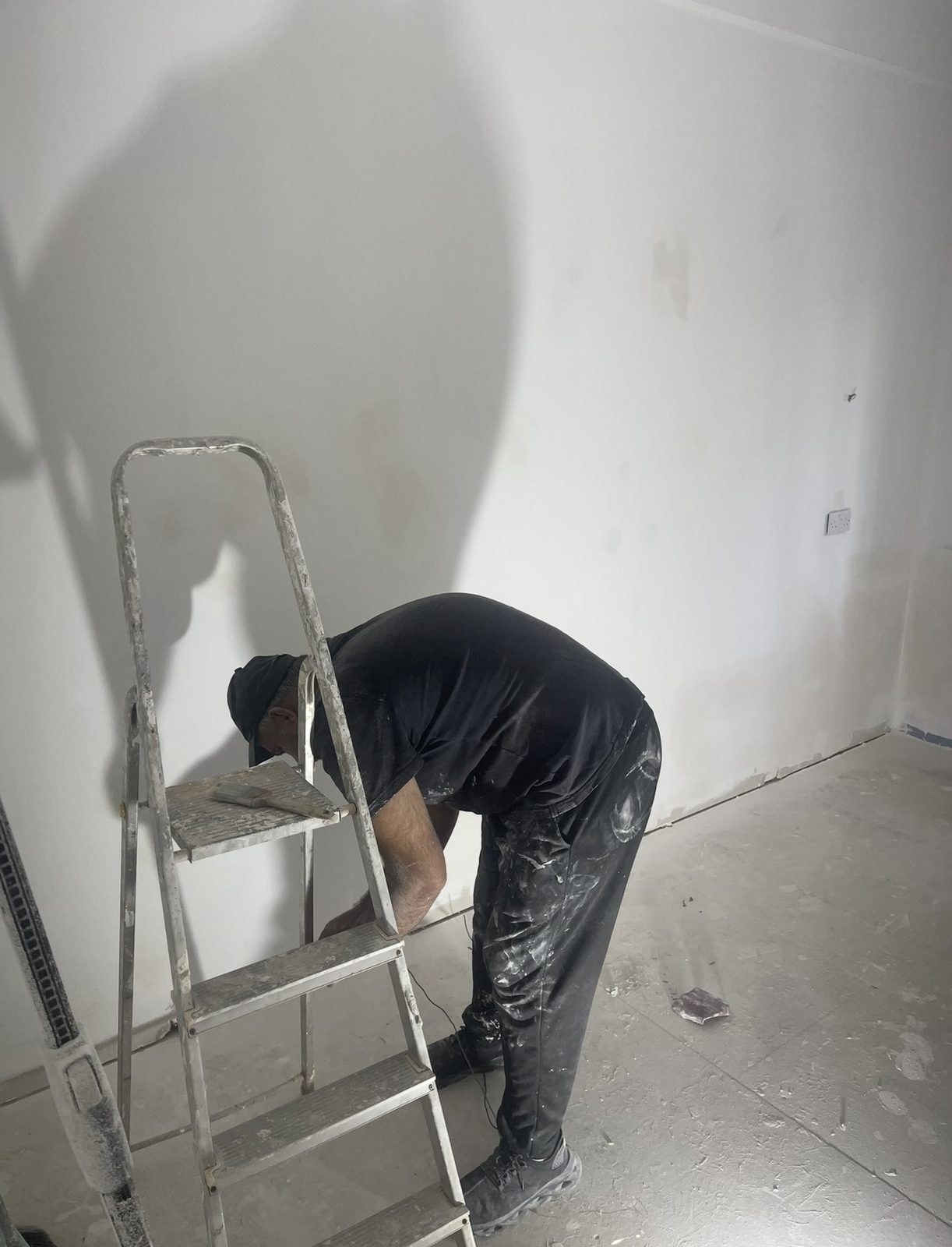
- Plastering. Blown or cracked plaster is cut back and replastered, ceilings are overboarded or skimmed, and everything is left to dry before decorating.
- Second fix and fit-out. Kitchen units, bathroom suites, doors, skirting, architraves and flooring.
- Decoration and snagging. Mist coat on new plaster, finish coats, then a walk-round together to list anything that needs adjusting.
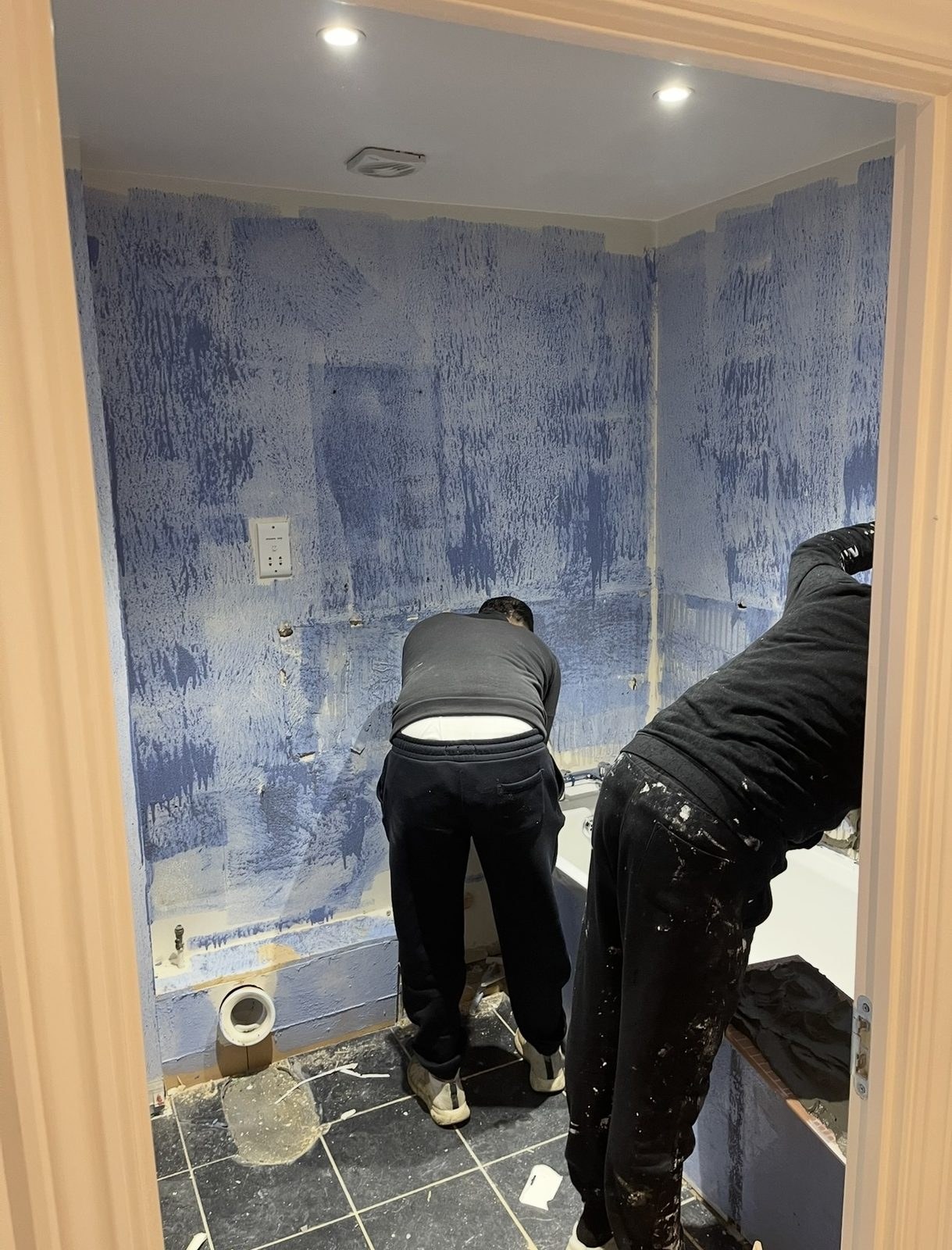
Keeping to this order matters because each stage hides the one before it. A pipe that is not moved before the plaster goes on means cutting into a new wall later; flooring laid before the kitchen is fitted can be damaged by the fitters. We keep one programme for the whole house, so the trades follow each other instead of waiting for one another.
What changes the job in a Mill Hill house or flat?
Mill Hill is not one kind of house. Alongside the semis and detached houses, the same Census table counts 1,849 households in purpose-built flats and 465 in converted or shared houses. The work on each is different:
- Semi-detached and detached houses often need several rooms done at once — a family bathroom and an en-suite, a kitchen opened up to a dining room, bedrooms replastered and redecorated. With 2,191 homes of four or more bedrooms in the ward, a “whole house” here is usually a big programme, and it is often split into stages so the family can stay in part of the house.
- Purpose-built flats share walls, floors and ceilings with neighbours. Noise, access through common parts and the building’s own rules (many leases need the freeholder’s consent for alterations) shape the timetable, so we check those before we price.
- Converted flats can have older services and ceilings that separate one flat from another. A ceiling between two flats should end up no worse for fire and sound separation than before, so we do not simply take it down and skim it without checking what it is doing.
Tenure matters too: 4,419 of 6,919 Mill Hill households owned their home in 2021, while 1,833 rented privately. Owners usually refurbish to stay; landlords usually refurbish between tenancies, against a deadline (see below).
When does a refurbishment become Building Regulations work?
Most refurbishment — new kitchen units, decorating, replacing like for like — is not Building Regulations work. It becomes building work when it touches something the regulations control, and one rule catches many people out: under regulation 23 of the Building Regulations 2010, renovating more than 50% of the surface of an outside wall, floor or roof means the whole of that element must be brought up to the current energy standard, in so far as that is technically, functionally and economically feasible.
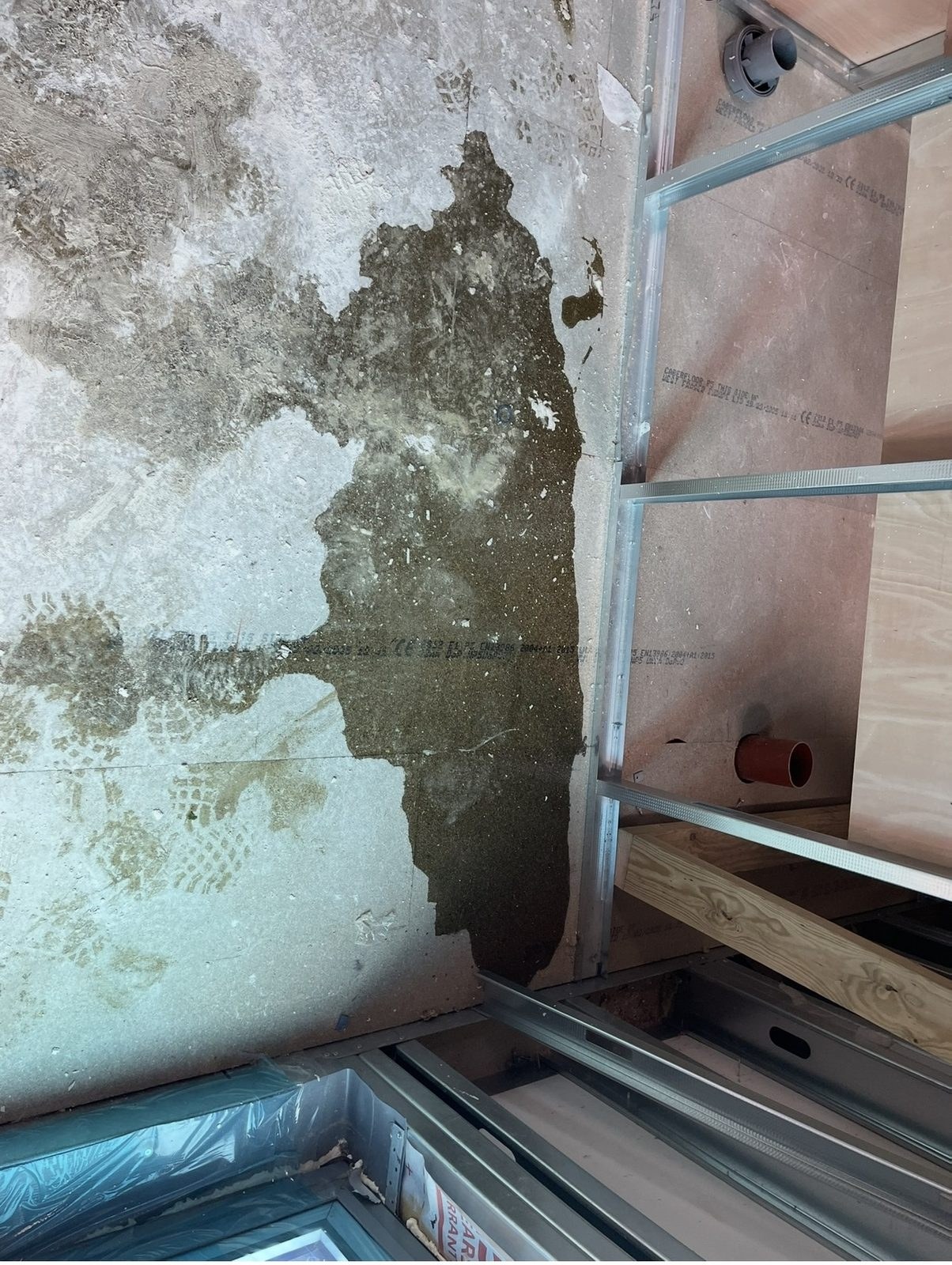
In practice, stripping most of the plaster off a solid outside wall in an older Mill Hill house can mean adding insulation as it is rebuilt, rather than simply replastering. We flag this at the survey stage, before the price is fixed, so it does not appear halfway through the job. Other controlled work — a new bathroom extractor, structural openings between rooms, new drainage — is listed in the plan, and anything that needs an application to Barnet Building Control is agreed before work starts.
Mill Hill conservation area and Article 4: what needs permission?
Work that only affects the inside of a building is not “development” under section 55(2)(a) of the Town and Country Planning Act 1990, so an internal refurbishment does not need planning permission, even inside a conservation area. Mill Hill has one: the Mill Hill conservation area (Barnet CA13) on the national planning data register. What does need care there is anything on the outside — replacement windows, front doors, boundary walls, extensions — and any work at all to a listed building, inside or out, which needs listed building consent.
If your plans include outside changes, our guide to planning permission in a Barnet conservation area explains what to check first.
Refurbishing a Mill Hill house to let
Landlords refurbishing between tenancies in Mill Hill should know one local rule. Mill Hill sits inside Barnet’s Article 4 direction for small houses in multiple occupation (on the national planning data register from 29 May 2016), which removes the usual permitted development right to turn a family house into a small shared house. A refurbishment that changes a house into a house share therefore needs planning permission first; a refurbishment that keeps it as one household does not.
For a let property we work to the date the next tenant moves in: a fixed programme, rooms finished in an order that lets you photograph and advertise early, and a written list of what was done for your records.
What we do, and what we do not do
Fix Your House works as design and build under one roof, with an in-house team and managed external trades. On a Mill Hill refurbishment that usually covers:
- Strip-out and waste removal.
- Plastering, skimming and ceiling repairs.
- Kitchens — see kitchen renovation in Mill Hill.
- Bathrooms and en-suites — see bathroom refurbishment in Mill Hill.
- Joinery, doors and fitted storage — see carpenter in Mill Hill.
- Plumbing moved or renewed — see plumber in Mill Hill.
- Flooring, decorating and minor non-notifiable electrical work such as replacing fittings.
We do not carry out gas work or notifiable electrical work. If your refurbishment needs either, it must be done by a registered installer, and we plan our stages around theirs. For a loft or a rear extension as part of the same project, see loft conversion in Mill Hill and our house extensions page; for smaller jobs, our handyman service in Mill Hill.
How is the price set?
A whole-house price depends on what is found, so we price from a survey rather than a rate per square metre. What changes it:
- How many rooms are done, and whether they are done together or in stages.
- The condition behind the finishes: plaster that has to come off, rotten timber, old pipework.
- Whether walls, outside walls or ceilings trigger Building Regulations work (above).
- The kitchen, bathroom and flooring you choose.
- Access, parking and whether the house is lived in during the work.
Free call-out and assessment — you only pay for the work. You get a fixed written price before any work starts, and no VAT is added on top.
What a customer said
From a Google review in October 2026:
“Communication was clear, our ideas were listened to, and the finishing work was completed to a high standard.” — Alireza Soltani, about a full house renovation
House refurbishment questions
Where do you start with a full house renovation?
With a survey and a written plan of what is staying and what is going. The work itself then starts with strip-out and everything hidden behind finishes — pipework, timber, boarding and plaster — before kitchens, bathrooms, flooring and decorating.
How long does a full house renovation take?
It depends on how many rooms are done, what is found behind the old finishes and whether any stage needs Building Regulations sign-off. We give you a written programme with the price, and plastered walls are always left to dry before they are decorated.
What affects the cost of a house refurbishment?
The number of rooms, the condition behind the finishes, any Building Regulations work such as insulating an outside wall, the kitchen, bathroom and flooring you choose, and access. We price from a survey, with a fixed written price before any work starts.
Do I need Building Regulations approval to refurbish a house?
Not for like-for-like replacement and decorating. You do for controlled work such as structural openings, new drainage or extract ventilation, and renovating more than half of an outside wall, floor or roof brings in the energy-efficiency rule in regulation 23.
Do I need planning permission to refurbish a house in Mill Hill?
Not for work that only affects the inside, even in the Mill Hill conservation area. Outside changes there can need permission, a listed building needs consent for inside work too, and turning a house into a small house share in Mill Hill needs planning permission under Barnet’s Article 4 direction.
What does a house refurbishment company do?
It plans and runs the whole job as one programme instead of you hiring each trade separately. Fix Your House works as design and build under one roof, with an in-house team and managed external trades, and one fixed written price for the work.
Fix Your House covers Mill Hill, London NW7 and neighbouring areas — see all the areas we cover.

