


how to find a water leak underground: 7 proven, expert tips!


Underground water leaks are one of the most difficult plumbing problems to detect, often causing high water bills, unexplained wet spots, or damage to foundations before they are discovered. Because these leaks are hidden below the surface, knowing how to find a water leak underground early can help prevent serious structural damage and costly repairs. Recognising the warning signs and using the right detection methods is essential for protecting your home and plumbing system.
At Fix Your House, we specialise in practical, expert-backed solutions for complex plumbing issues. In this guide, you’ll learn 7 proven, expert tips to locate underground water leaks accurately and efficiently. From pressure testing and meter checks to advanced detection techniques, these methods will help you identify hidden leaks, take action quickly, and reduce unnecessary repair costs.
Need fast Leak Services London? fix your house provides reliable and professional solutions.
Signs of an Underground Water Leak
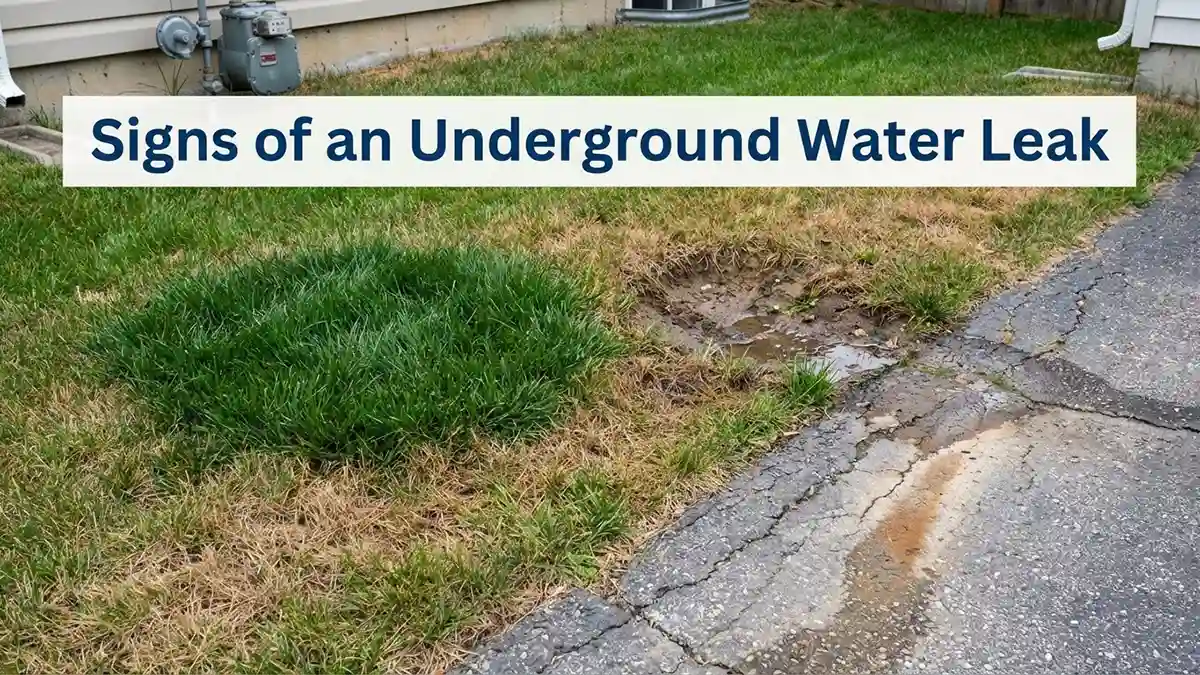
Detecting a leak beneath the ground starts with paying attention to subtle but consistent indicators around your property. One of the first warning signs is a sudden, unexplained increase in your water bill despite consistent usage. You may also notice areas of your yard that stay wet or muddy long after it rains. Patches of unusually lush grass can signal that excess water is seeping below the surface in that area.
Other signs include a noticeable drop in water pressure or the sound of running water when no fixtures are in use. In some cases, you might find sinkholes or cracks forming in driveways and foundations as the soil erodes. Recognising these early symptoms of a hidden underground water leak can prevent expensive repairs. The sooner you identify and act on these warning signs, the easier it becomes to locate the leak and stop water loss before it damages your property.
Unusual Water Bills
An unexpected spike in your water bill is often one of the first clues that you may have an underground leak. When a leak occurs below ground, it can release thousands of gallons of water each month without any visible sign above the surface. If your usage habits haven’t changed but your bill suddenly increases, it’s likely that water is escaping somewhere in the system.
To confirm this, turn off all water fixtures and appliances, then check your water meter. If the meter continues to move, it indicates that water is still flowing through the system, suggesting a leak. Tracking your water usage monthly can help establish a baseline and make irregularities easier to spot. Ignoring an unusually high water bill not only wastes water but can also lead to major damage over time, such as weakened soil foundations and higher repair costs.
Soggy or Sunken Ground
One of the most visible indicators of an underground water leak is persistently soggy or sunken ground. If you notice wet patches, puddles, or soft spots in your yard even during dry weather, it’s a strong sign that water is leaking beneath the surface. Over time, the soil absorbs excess moisture, creating depressions or uneven ground that can worsen with each passing day.
In extreme cases, prolonged leakage can lead to erosion or the formation of sinkholes, especially in clay-heavy or sandy soils. You may also observe unusual plant growth patterns—certain areas might appear greener or grow faster due to the constant water supply. Walking barefoot over the yard can sometimes help you feel where the soil is softer. Identifying these ground changes early allows you to pinpoint the location of a buried leak before it spreads or causes structural instability.
Sound of Running Water
If you hear the sound of running water even when all taps and appliances are turned off, it could indicate a leak somewhere in the underground plumbing. In quiet environments, you might hear faint hissing or gurgling noises near walls, floors, or outdoor areas where water pipes are buried. These sounds occur when water under pressure escapes through cracks or holes in the pipe.
A simple way to test this is to stand near areas where water pipes typically run, such as driveways, basements, or gardens, and listen closely. Professional plumbers often use acoustic listening devices that amplify these sounds to locate leaks with precision. Ignoring this auditory clue can result in escalating damage and higher repair costs over time. Acting quickly when you hear water movement ensures you catch leaks before they erode the soil or compromise nearby foundations.
Importance of Detecting Water Leaks Early
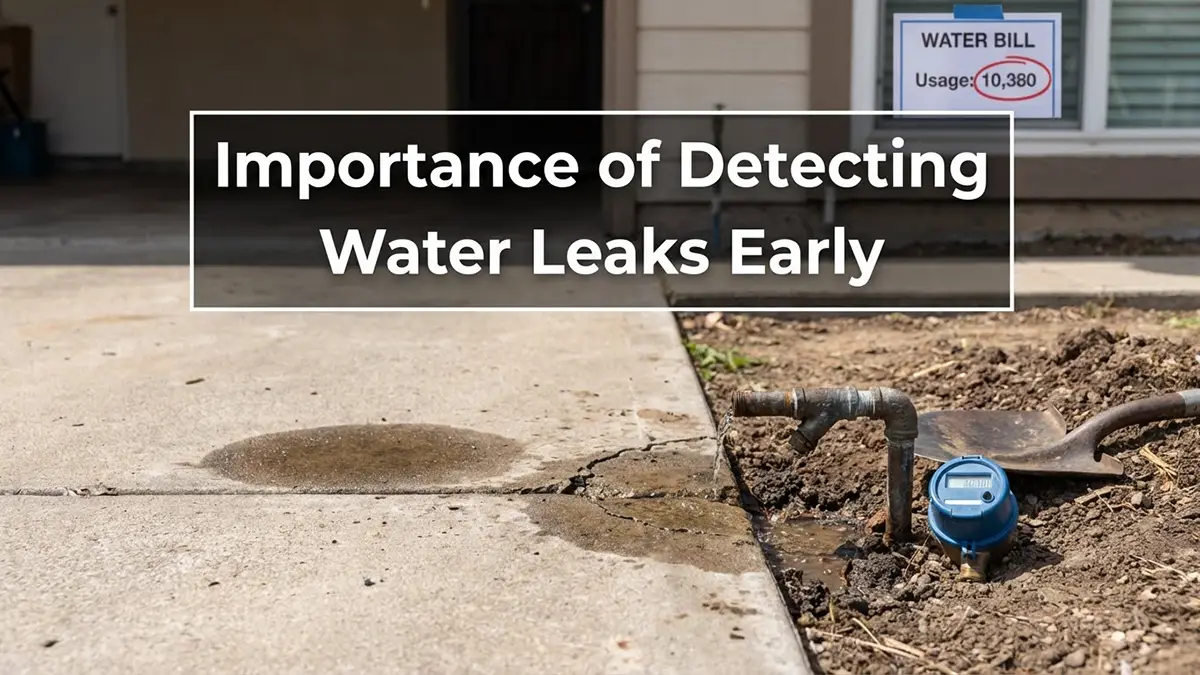
Detecting an underground water leak early is essential for protecting your home’s structural integrity and avoiding skyrocketing water bills. Even a small leak can release hundreds of gallons daily, softening the soil around pipes and causing driveways, patios, and foundations to shift or crack. Over time, these hidden leaks can undermine the stability of your property, leading to costly repairs.
Beyond property damage, early leak detection also prevents water contamination. When a pipe leaks, surrounding soil and debris can enter the system, affecting the quality of your drinking water. Early detection techniques—such as regular meter checks and professional inspections—help maintain system efficiency and reduce water waste. Addressing issues promptly not only saves money but also contributes to sustainable water usage, making it vital to find and repair leaks underground as soon as possible.
related post: how to fix a leaking hot water pipe: 6 Expert Fixes Now!
Proven Methods to Identify Underground Water Leaks

Finding a water leak underground requires a combination of observation, measurement, and technology. Start with basic methods such as checking the water meter and performing a pressure test to confirm that water loss is occurring. If these indicate a leak, more advanced tools like acoustic listening devices, thermographic cameras, and ground-penetrating radar can pinpoint the exact location.
Each of these techniques has its advantages. Acoustic equipment detects sound vibrations from escaping water, while infrared cameras reveal temperature differences in wet areas. For more complex cases, dye testing or professional services may be required. Using a mix of these proven leak detection methods helps locate leaks with accuracy, minimising excavation and repair costs while ensuring the problem is resolved efficiently.
Inspect Water Meter
Inspecting your water meter is one of the simplest and most effective ways to determine if you have an underground leak. Start by turning off all water sources in your home, including taps, irrigation systems, and appliances. Once everything is off, observe the meter for movement. If the meter’s dial or flow indicator continues to spin, it indicates that water is flowing somewhere in the system, even though no fixtures are in use.
For a more accurate reading, take a note of the meter measurement, wait 30 minutes to an hour without using water, and then check again. Any change in the reading confirms a leak. This test helps distinguish between leaks inside the house and those in underground lines leading to the property. Regular water meter inspections not only help identify leaks early but also serve as a preventive habit to monitor your plumbing system’s health.
Conduct a Pressure Tes
A pressure test is a reliable method to confirm whether your plumbing system has an underground leak. This test involves shutting off the main water valve and attaching a pressure gauge to an outdoor tap or hose bib. Once connected, observe the gauge reading—if the pressure drops steadily over time without water being used, it indicates a leak somewhere in the system.
Professional plumbers use specialised pressure testing equipment that isolates sections of piping to narrow down the leak’s location. For example, if your home’s irrigation system loses pressure faster than the indoor supply, the leak likely lies in the outdoor lines. Conducting regular water pressure tests ensures that minor leaks are detected before they grow into major issues, helping maintain consistent water flow and reducing the risk of expensive underground repairs.
Use Acoustic Listening Devices
Acoustic listening devices are among the most effective tools for locating underground water leaks. These devices detect the sound frequencies produced when pressurised water escapes through a crack or hole in a pipe. Professionals use sensitive microphones and amplifiers that can identify these noises even several feet below the surface.
To perform an acoustic inspection, the technician places the device along suspected areas—such as driveways, lawns, or near water pipes—and listens for distinct hissing or bubbling sounds. This method is especially useful in pinpointing leaks under concrete slabs or asphalt surfaces without excavation. For example, if you suspect a leak beneath your driveway but see no visible signs, using acoustic leak detection equipment can precisely locate the problem area, saving time and reducing unnecessary digging.
Employ Thermographic Cameras
Thermographic or infrared cameras are advanced tools that detect temperature variations caused by water leaks underground. When a pipe leaks, the escaping water changes the temperature of the surrounding soil. Infrared cameras capture these differences as colour contrasts on their display, allowing technicians to visually map out the affected area.
This method is particularly effective for detecting underground leaks beneath floors or concrete slabs, where traditional methods fall short. For example, if a section of your yard appears warmer or cooler in the camera image, it indicates potential moisture accumulation. Using thermal imaging for leak detection offers a non-invasive way to locate hidden leaks quickly, minimising property disruption and ensuring accurate, efficient repairs.
Correction Dye Testing
Dye testing is a simple yet effective technique to confirm the presence and direction of an underground leak. A brightly coloured, non-toxic dye is introduced into the plumbing system or nearby water sources. If the dye later appears in unwanted areas—such as puddles, soil patches, or drainage outlets—it confirms that water is escaping and travelling underground.
This method is often used in pools, irrigation systems, or underground drainage networks to identify the path of water movement. For instance, if you suspect a leak under a patio, introducing dye into the line can help determine where the water is seeping through. While it doesn’t pinpoint the exact spot, dye testing helps narrow down the search area before using more advanced tools like ground-penetrating radar or acoustic devices.
Utilise Ground Penetrating Radar (GPR)
Ground Penetrating Radar (GPR) is one of the most advanced technologies for detecting underground water leaks. It works by sending electromagnetic waves into the ground and recording the reflections that bounce back. Variations in these reflections indicate changes in soil density or moisture—key signs of a water leak.
Technicians use GPR to create a detailed map of subsurface conditions without the need for excavation. This method is especially useful for locating leaks under concrete, asphalt, or landscaped areas where digging isn’t practical. For example, if your driveway or yard has unexplained wet spots, a GPR survey can reveal the exact location of the leak without damaging the surface. It’s a fast, accurate, and non-invasive way to find even the most concealed underground leaks.
Hire a Professional Leak Detection Service
When DIY methods fall short, hiring a professional leak detection service is the best option. These experts use advanced diagnostic tools such as acoustic sensors, infrared cameras, and ground-penetrating radar to accurately locate leaks with minimal disruption. Professionals can also assess whether the issue stems from water supply lines, irrigation systems, or sewer pipes.
Beyond detection, professionals provide comprehensive repair plans and can pinpoint leaks buried several feet underground or beneath structures. For example, if your property shows recurring wet patches or unstable ground, a certified leak detection specialist can identify the source and recommend cost-effective solutions. Relying on professionals ensures accuracy, prevents unnecessary excavation, and safeguards your plumbing system against further damage.
Preventing Future Water Leak
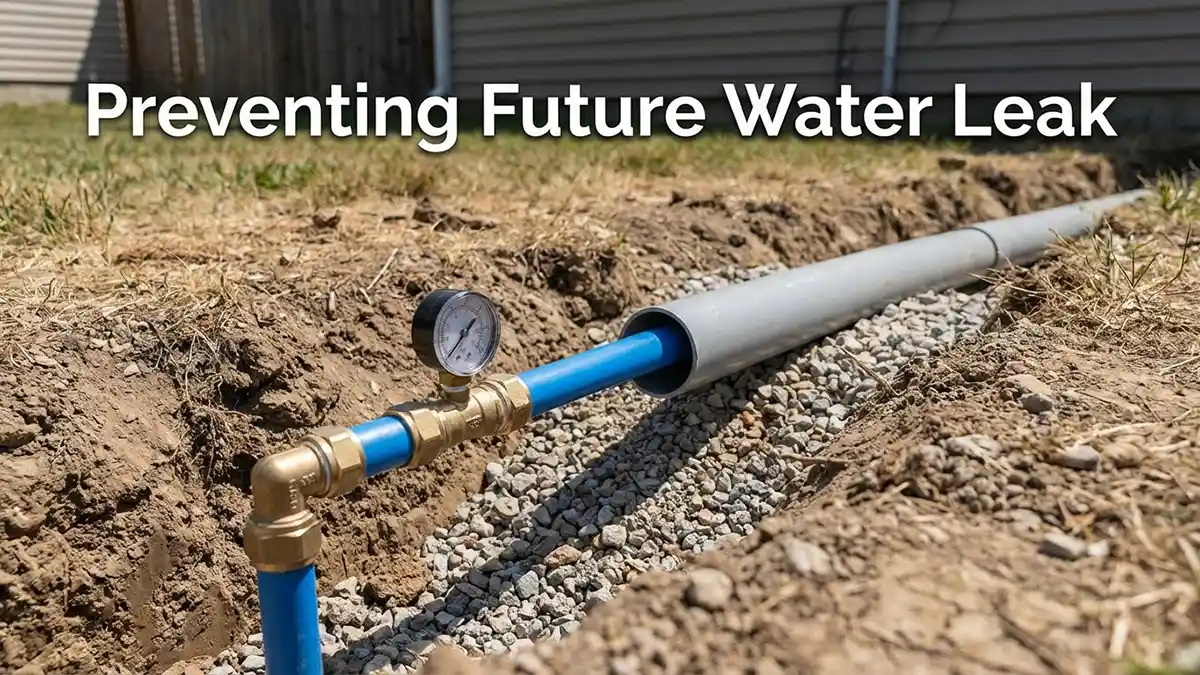
Preventing underground water leaks begins with proactive maintenance and careful monitoring. Regularly inspect your property for early signs such as damp soil, uneven ground, or unexplained water consumption. Have your water meter and plumbing system checked annually by professionals to ensure all joints and fittings are secure.
Protect exposed pipes from temperature fluctuations using insulation and install pressure regulators to maintain stable water flow. Avoid planting deep-rooted trees near underground water pipes, as roots can cause pipe damage over time. Implementing these preventive measures for leak detection helps extend your plumbing system’s lifespan, reduce water waste, and prevent expensive underground repairs.
Conclusion
Locating an underground water leak requires a blend of observation, technology, and expertise. From checking your water meter to using advanced tools like GPR and thermal cameras, each method plays a vital role in pinpointing leaks quickly and accurately. Addressing leaks early prevents costly damage, conserves water, and ensures your property’s structural integrity for years to come.
“`
What are the most common signs of an underground water leak?
The most obvious signs include unusually high water bills, wet or soggy patches in your yard, and reduced water pressure indoors. You might also notice mold growth, a musty smell, or even cracks in your driveway or foundation caused by soil movement.
How can I locate an underground water leak without digging?
You can start by turning off all water fixtures and checking your water meter—if it keeps moving, there’s a leak. Specialised acoustic listening devices or leak detection sensors can also help identify the exact area of the leak without tearing up your property.
Can an underground water leak waste a lot of water?
Yes, even a small underground leak can waste hundreds of gallons per day. Left unchecked, it can also erode soil, damage landscaping, and lead to costly structural issues in your home or yard.
Is it possible to find an underground water leak myself?
In many cases, yes—you can use a water meter test, walk the property for damp spots, or use a garden hose to isolate sections of the line. However, if the leak is deep or near the foundation, it’s best to call a professional with specialised detection equipment.
How do professionals detect underground water leaks?
Experts use advanced tools such as ground microphones, infrared cameras, and pressure testing systems to pinpoint leaks with high accuracy. These methods allow them to locate the problem without unnecessary excavation or guesswork.
What should I do once I’ve found an underground water leak?
First, shut off your main water supply to prevent further damage and call a qualified plumber. Depending on the severity, they may repair the damaged section of the pipe or replace a portion of the water pipe to ensure a long-lasting fix.
